
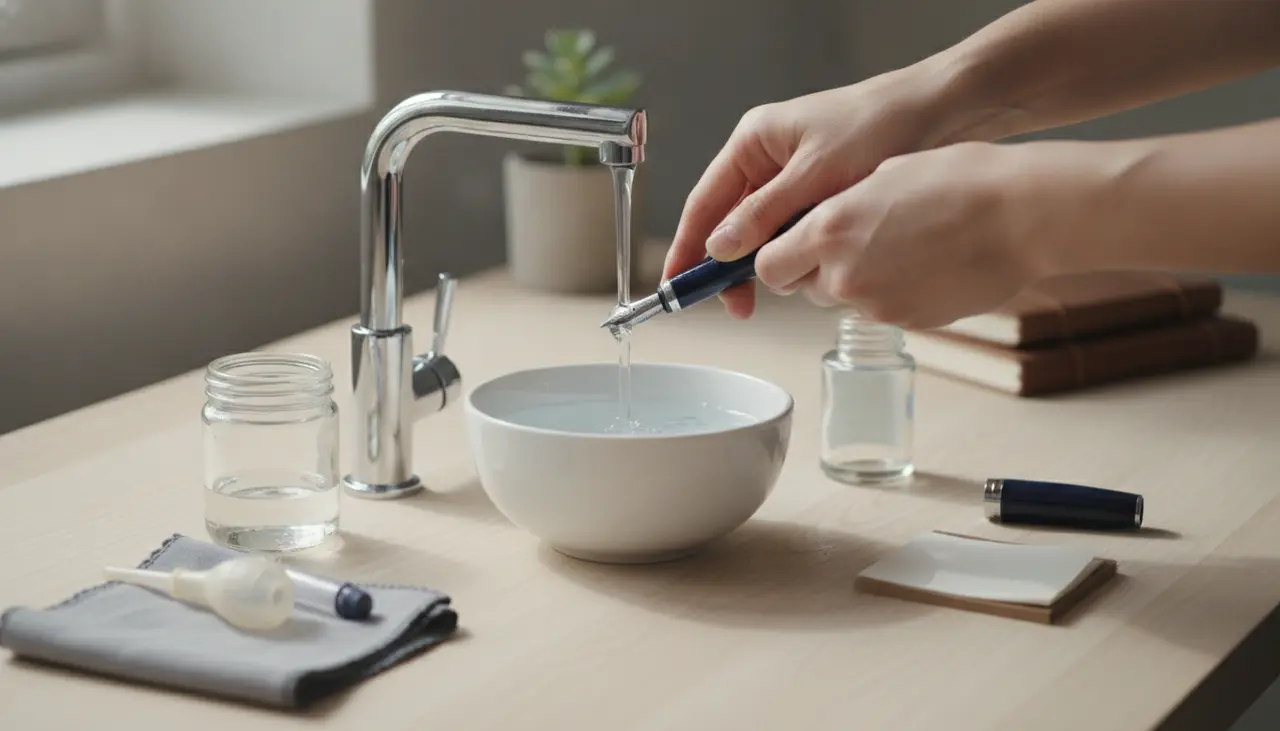
How to Clean a Fountain Pen: A Stress-Free Tutorial
Disclosure: This post contains affiliate links. As an Amazon Associate and member of stationery affiliate programs, I may earn a small commission from qualifying purchases at no extra cost to you.
Cleaning a fountain pen is a simple but essential ritual that ensures your writing stays smooth and your ink flows perfectly. To clean your pen, you simply need to flush the nib and feed with lukewarm water until the water runs clear. This process typically takes about 10 to 15 minutes and should be done every 4 to 8 weeks, or whenever you decide to switch ink colors.
If you’ve been staring at a pen that’s starting to skip, or if you’re nervous about changing from a deep blue to a light shimmer ink, you are in the right place. This guide is for the everyday writer—the student, the journaler, or the busy professional—who wants to care for their tools without feeling overwhelmed by technical jargon. Think of this as a "spa day" for your favorite pens.
Why Maintenance Matters (and Why It’s Okay to Be Nervous)
I know how it feels. You finally treated yourself to a beautiful Lamy or a TWSBI, and the last thing you want to do is break it. It’s completely normal to feel a little hesitant the first time you take your pen apart. But here’s the secret: fountain pens are surprisingly resilient.
Regular cleaning prevents "clogs"—which is really just dried ink particles sitting in the tiny channels of your pen's feed. Whether you are moving on from a bottle of Inkebara Caramel Review: A High-Shading Brown with a Sophisticated Dry Flow or just giving your daily driver a refresh, a clean pen is a happy pen.
Your Cleaning Supply Checklist
Before we start, let's gather our supplies. You don't need a laboratory, just a few household items and perhaps one or two specialized tools to make life easier.
| Tool | Purpose | Necessity |
|---|---|---|
| Lukewarm Water | The primary solvent for water-based inks. | Essential |
| Bulb Syringe | Flushes water through the section with gentle pressure. | Highly Recommended |
| Paper Towels/Lint-free Cloth | For drying and catching drips. | Essential |
| Pen Flush Solution | A specialized soap for stubborn, dried-on ink. | Optional (for deep cleans) |
| Small Containers | For soaking the nib and feed. | Essential |
Step-by-Step: The Stress-Free Cleaning Ritual
1. Disassemble with Care
Start by unscrewing the barrel (the body) from the section (the part you hold). Remove the ink cartridge or the converter. If you are using a piston-filler pen like a TWSBI Eco, you won’t take it apart this way; instead, you’ll operate the piston mechanism to move water in and out.
2. The Initial Rinse
Hold the nib section under a gentle stream of lukewarm tap water. Let the water run through the back of the section (where the cartridge attaches) and out through the nib. You’ll see a rush of color—this is the most satisfying part!
3. The Power of the Bulb Syringe
This is my favorite "pro tip" for busy friends. Instead of using your pen’s converter to suck up water dozens of times, use a rubber bulb syringe (the kind used for cleaning a baby’s nose).
- Fill the bulb with water.
- Press the tip of the bulb against the back of the pen section.
- Squeeze firmly.
This forces a high volume of water through the feed, cleaning out stubborn ink much faster than any other method.
4. The Soak (If Needed)
If you haven't cleaned your pen in months, or if you were using a permanent or shimmering ink, your pen might need a little extra love. Place the nib section in a glass of clean water and let it sit overnight. You might see "ink clouds" drifting out—that’s perfectly fine!
5. Drying and Reassembly
Gently pat the nib dry with a paper towel. I like to leave my nibs point-down in a cup lined with a paper towel for an hour or two to let gravity pull out any remaining moisture. Once dry, pop in your new cartridge or refill your converter, and you’re ready to write.
Choosing the Right Tools for the Job
While most pens follow this routine, remember that different tools have different needs. For example, if you are moving between Fountain Pens vs. Calligraphy Pens: Understanding the Essential Differences for Enthusiasts, you might find that calligraphy nibs require more frequent cleaning because they often use thicker, more pigmented inks.
Best for Beginners: A simple bulb syringe and a glass of water. It’s inexpensive and works for 90% of pens. Best for Vintage Pens: Stick to plain water. Older materials like celluloid or hard rubber can be sensitive to modern chemicals. Best for Stubborn Clogs: A dedicated pen flush (like Monteverde or Goulet Pen Flush). These contain a tiny bit of ammonia and surfactant to break down "crusty" ink.
Common Beginner Mistakes to Avoid
- Using Hot Water: This is a big one! Hot water can warp the delicate plastic feeds or even damage the finish of the pen. Always use cool or lukewarm water.
- Using Rubbing Alcohol: Never use alcohol or acetone on your pens. It can literally melt certain types of plastics and ruin your beautiful instrument.
- Pressing Too Hard: If the ink isn't coming out, don't try to "scrub" the nib. Let it soak. Patience is your best friend here.
- Forgetting to Dry: If you ink up a pen while the feed is still full of water, your first few sentences will look very watery and pale.
Frequently Asked Questions
How often should I clean my fountain pen? If you use the pen every day, every 1 to 2 months is fine. If you’re changing colors, clean it every time so the colors don't mix.
Can I use dish soap? A single drop of mild dish soap in a cup of water is generally safe and can help break up oils, but avoid soaps with heavy fragrances or moisturizers.
What if my pen still won't write after cleaning? Sometimes a tiny paper fiber gets stuck in the "slit" of the nib. You can gently floss the nib with a brass shim, or simply give it another long soak in a dedicated pen flush.
Cleaning your pens doesn't have to be a chore you dread. When you approach it as a way to slow down and care for the tools that help you express yourself, it becomes a rewarding part of the hobby. Happy writing, friend!